


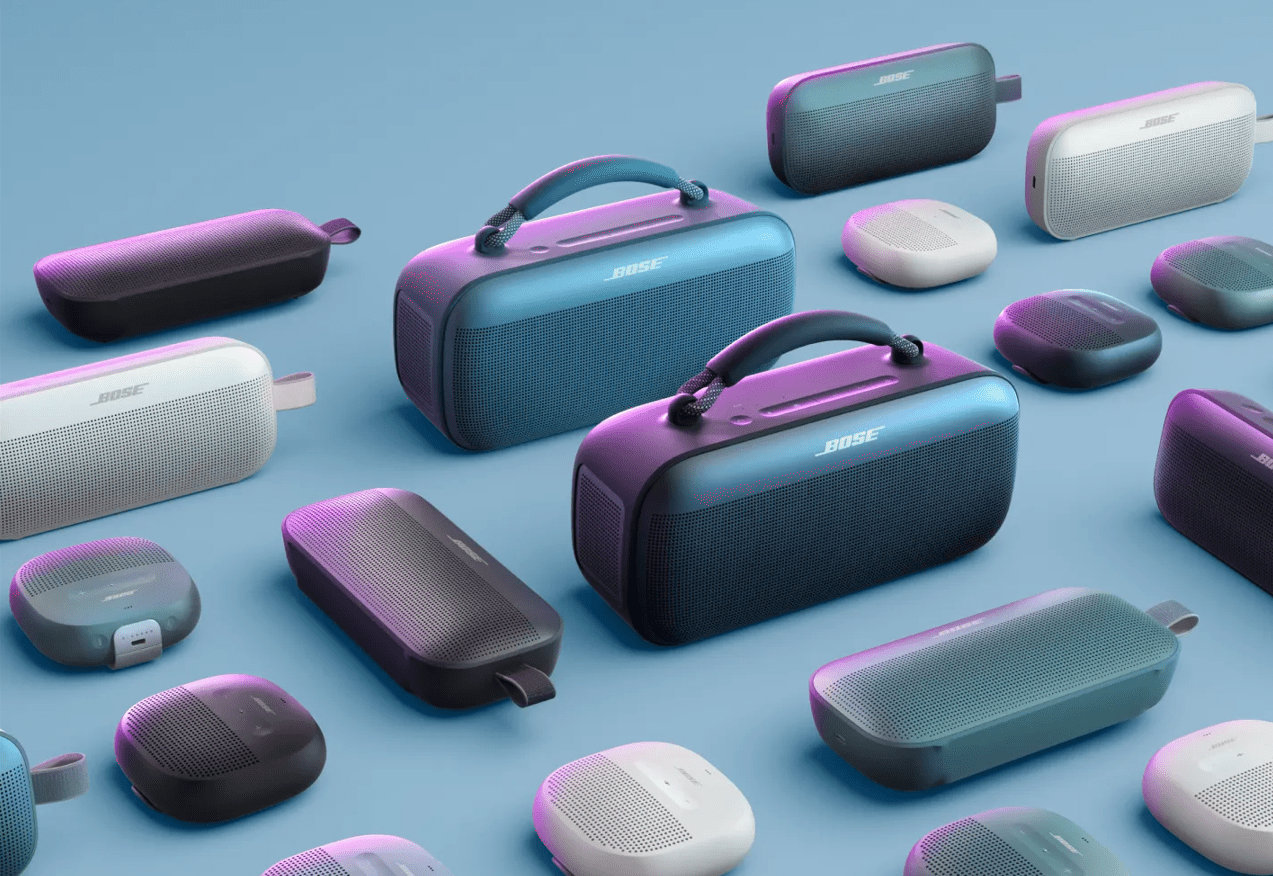
Bose, Redefining How Sound Is Experienced at Home
 by
Mila Rossi
by
Mila Rossi
Sound plays a powerful role in everyday life, shaping how people experience music, movies, and even quiet moments. Bose has built its identity around improving that experience, focusing not just on volume or clarity but on how sound feels in a space. Through decades of research and innovation, the brand has become a key player in home audio, offering solutions that combine technology, design, and simplicity.
A Legacy Rooted in Curiosity and Innovation
Bose was founded in 1964 by Dr. Amar Bose, an MIT professor who was inspired to improve audio systems after being disappointed by the sound quality of a stereo he purchased.
This moment sparked a long-term commitment to research-driven development. Instead of following traditional measurement methods, the company focused on how people actually perceive sound. This human-centered approach became a defining principle, shaping products that aim to replicate the feeling of live music rather than just technical accuracy.
Over time, Bose expanded from experimental speaker systems into a global audio company, producing everything from home theater systems to headphones and automotive sound solutions.
Transforming Home Audio Into an Immersive Experience
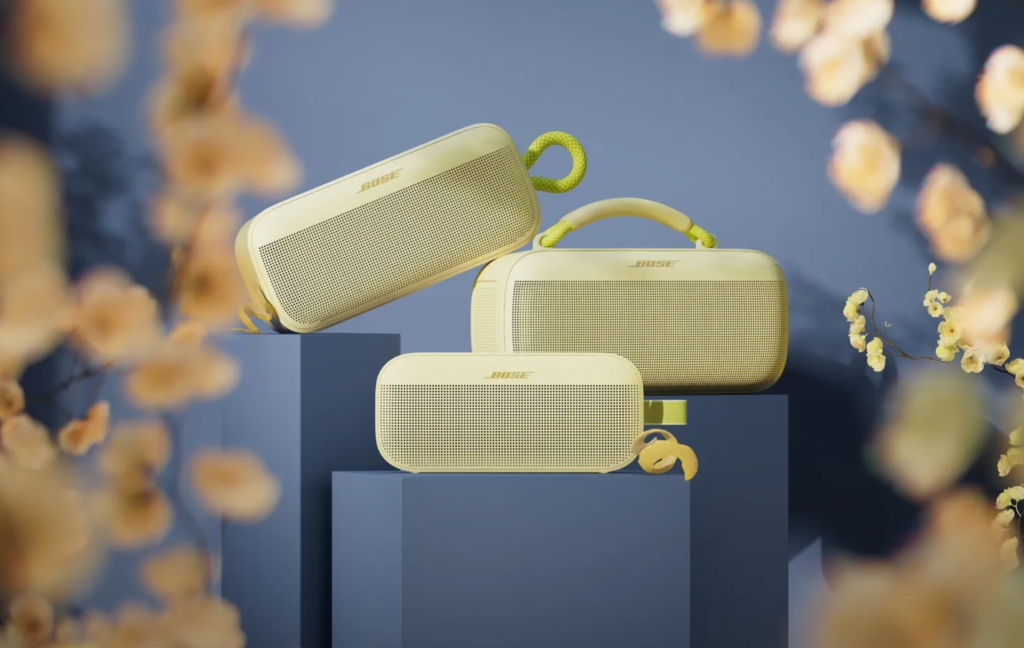
At the core of Bose is its focus on home audio. The company designs systems that go beyond basic playback, aiming to create immersive environments where sound surrounds the listener.
From compact speakers to full home theater setups, the product range is built to suit different spaces and lifestyles. Soundbars, wireless speakers, and multi-room systems allow users to enjoy consistent audio throughout their homes without complex installations.
One of the brand’s most distinctive innovations is its approach to sound reflection. Early speaker systems were designed to bounce audio off walls, creating a sense of depth and space similar to a live performance.
This philosophy continues to influence modern products, where the goal is not just to deliver sound but to shape how it interacts with the environment.
Innovation That Extends Beyond Speakers

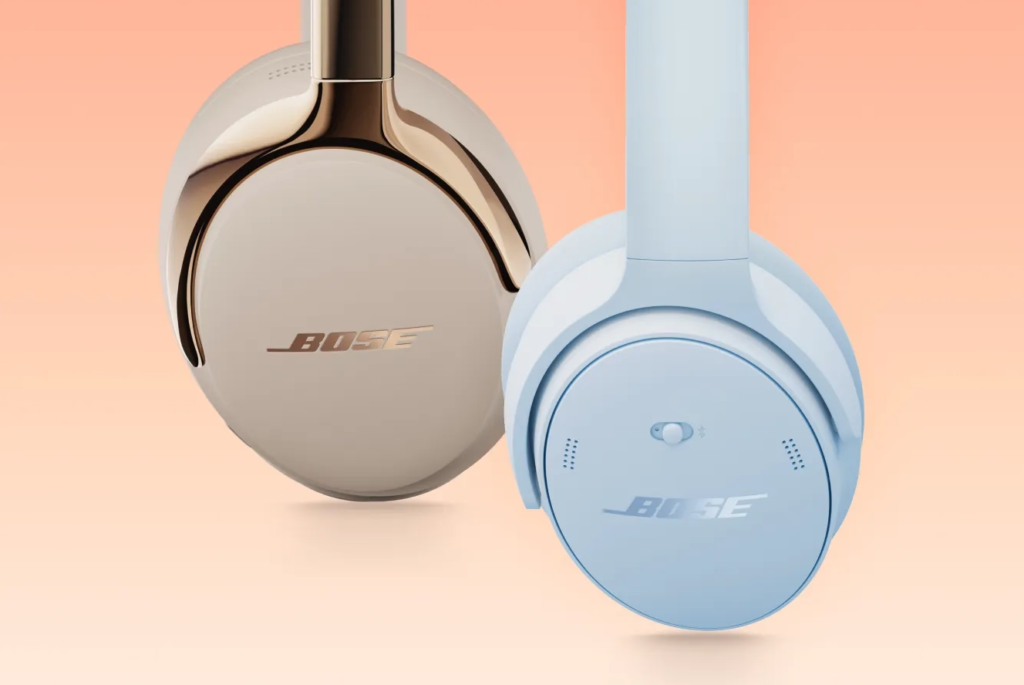
While home audio remains central, Bose has expanded into multiple areas of sound technology. The brand is widely recognized for its noise-cancelling headphones, which were originally developed to reduce background noise for airline passengers.
This innovation changed how people listen to audio in noisy environments, setting a new standard for personal listening. Today, the same technology is used in consumer headphones, travel accessories, and even professional equipment.
The company has also developed audio systems for cars, commercial spaces, and live performance environments. These solutions demonstrate a consistent focus on delivering high-quality sound across different use cases, from private listening to large-scale venues.
Design That Balances Simplicity and Performance
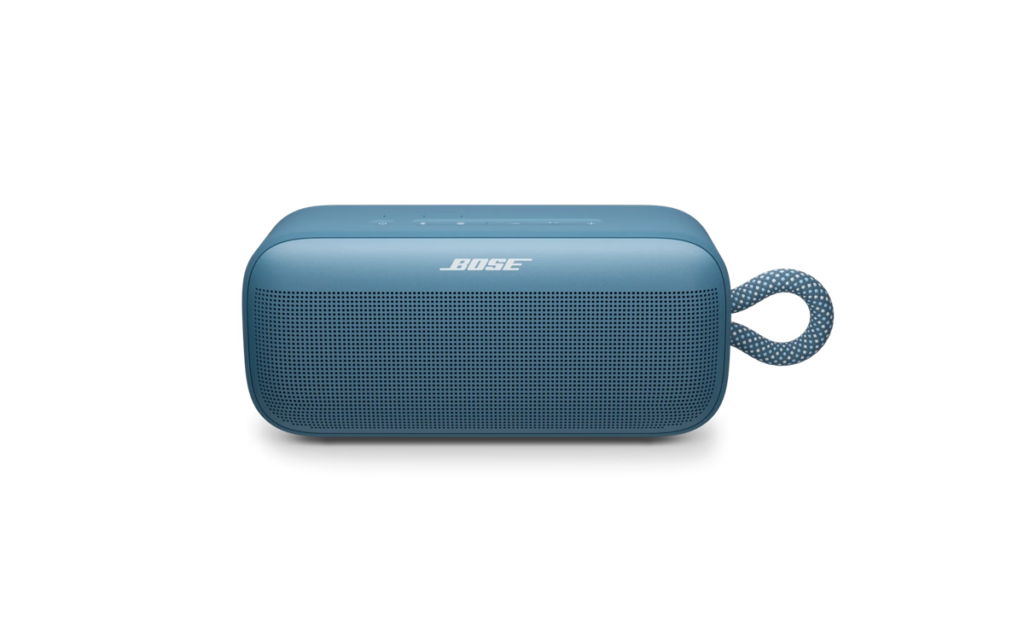
Another key aspect of Bose is its emphasis on design. Products are created to be both functional and visually clean, allowing them to blend seamlessly into modern living spaces.
This balance between simplicity and performance makes the technology more approachable. Users do not need extensive technical knowledge to set up or enjoy their systems, which aligns with the brand’s goal of making high-quality audio accessible.
Wireless connectivity, smart integration, and intuitive controls further enhance usability. These features allow users to stream music, connect devices, and manage their systems with minimal effort, creating a more convenient listening experience.
Adapting to Changing Technology and Consumer Needs
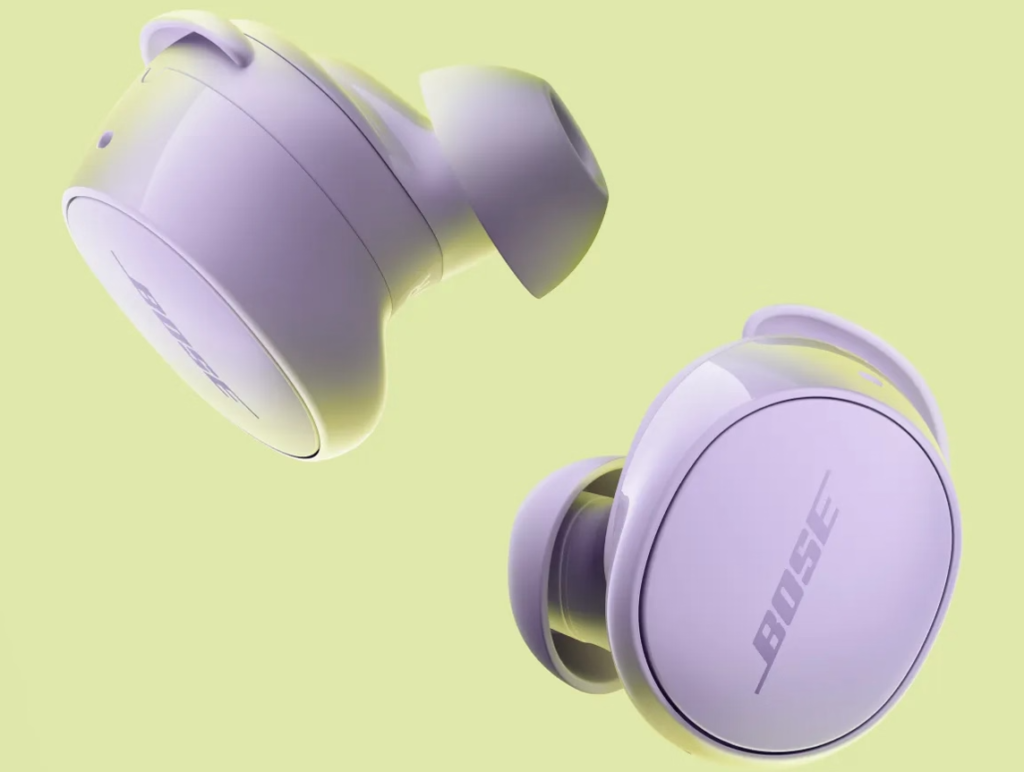
The audio industry continues to evolve, and Bose has adapted by shifting toward wireless and smart technologies. The company has invested in Bluetooth speakers, app-based controls, and integrated systems that connect seamlessly with other devices.
Recent developments also show a focus on long-term usability. For example, when older systems like SoundTouch were phased out, the company maintained basic functionality such as Bluetooth and local playback to ensure continued use.
This approach highlights an effort to balance innovation with customer experience, ensuring that products remain useful even as technology changes.
At the same time, Bose continues to explore new directions, including integrating advanced features and expanding its presence in areas like automotive audio and smart home environments.
Why Bose Remains a Key Name in Home Audio

The lasting appeal of Bose comes from its ability to combine research, design, and usability into a cohesive experience. It is not just about producing sound, but about improving how people interact with it in everyday life.
- Research-driven development focuses on how sound is actually perceived
- Wide product range supports different home audio setups and preferences
- Noise-cancelling technology enhances listening in any environment
- Wireless and smart features simplify connectivity and control
- Design prioritizes both aesthetics and ease of us
- Continuous innovation keeps the brand relevant in a competitive market
A Different Way to Experience Sound
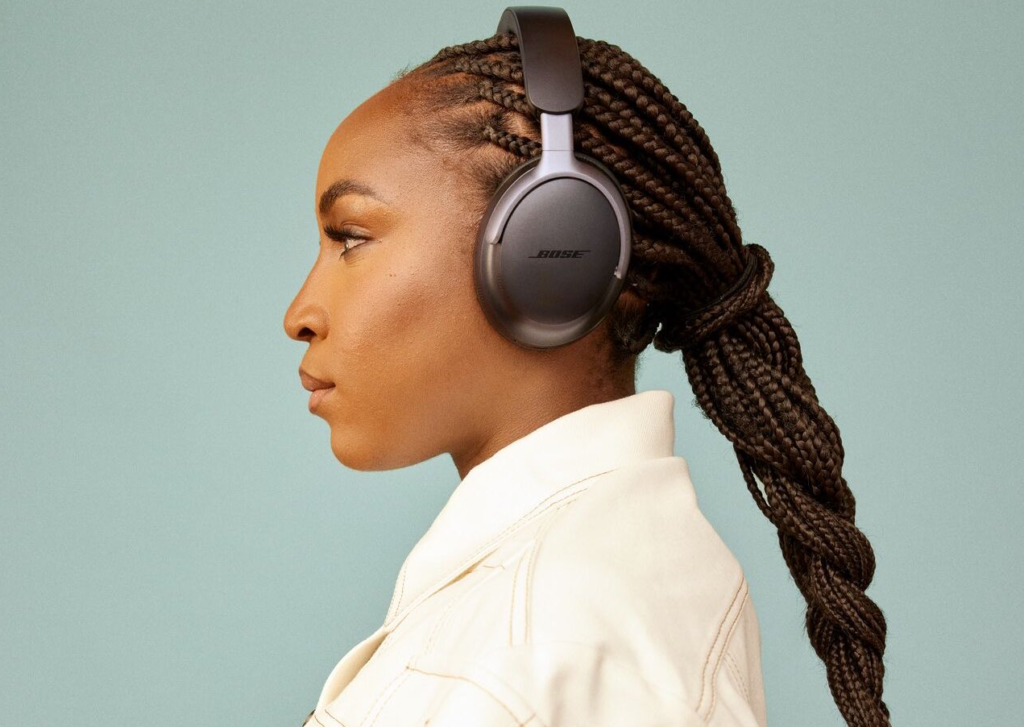
Bose has built its reputation by looking at sound from a different perspective. Instead of focusing solely on technical specifications, it prioritizes how audio feels to the listener.
This approach has shaped a wide range of products that make high-quality sound more accessible and immersive. Whether through home systems, personal devices, or advanced technologies, the brand continues to influence how people experience audio in their daily lives.